
Water heaters are essential for modern living, yet they're prone to issues that can disrupt daily routines. From leaks that waste precious water to temperature fluctuations, common problems can range from minor inconveniences to major safety hazards. The key to minimizing these headaches lies with proactive maintenance and timely repairs. When faced with water heater woes, turning to a reputable plumbing contractor near you is crucial. With their expertise, they can diagnose the problem, offer lasting solutions, and ensure your home's comfort and safety. This guide examines the most prevalent water heater repair issues, offering insights to help you recognize problems early and make informed decisions when calling a plumbing contractor.
- Identifying Common Water Heater Issues
- Diagnosing the Problem: Step-by-Step
- When to Call a Plumbing Contractor
- Common Repairs: Do-It-Yourself vs. Professional
- Preventive Maintenance: A Plumbing Contractor's Guide
Identifying Common Water Heater Issues

Water heaters are a critical component of any home or business's plumbing system, and their malfunction can cause significant inconvenience and even safety hazards. Identifying common water heater issues is the first step in addressing them efficiently. A skilled contractor will often spot these problems during routine inspections, but homeowners and business owners can also learn to recognize them.
One of the most frequent issues is sediment buildup, which can lead to reduced water pressure and heating efficiency. Over time, minerals and impurities accumulate in the bottom of the tank, affecting the heater's ability to transfer heat effectively. This problem is especially common in areas with hard water. Another common issue, particularly in older homes, is rust and corrosion inside the tank, which can cause leaks and even explosions in severe cases. Plumbing design trends 2023 prioritize energy efficiency and safety, incorporating advanced heating elements and better insulation to mitigate these problems.
For those unfamiliar with plumbing systems, distinguishing between water heater issues and plumbing vs. Pipefitting jobs can be challenging. A simple rule of thumb is that minor leaks, strange noises, and inconsistent hot water output are often water heater problems. However, if you notice widespread plumbing issues like low water pressure throughout your home or severe pipe damage, it may indicate a larger problem requiring the expertise of a professional. Regular plumbing maintenance for older homes can extend the life of your water heater, preventing these issues from escalating. If you suspect a problem, give us a call at contractor marketing strategies to schedule a professional assessment.
Diagnosing the Problem: Step-by-Step
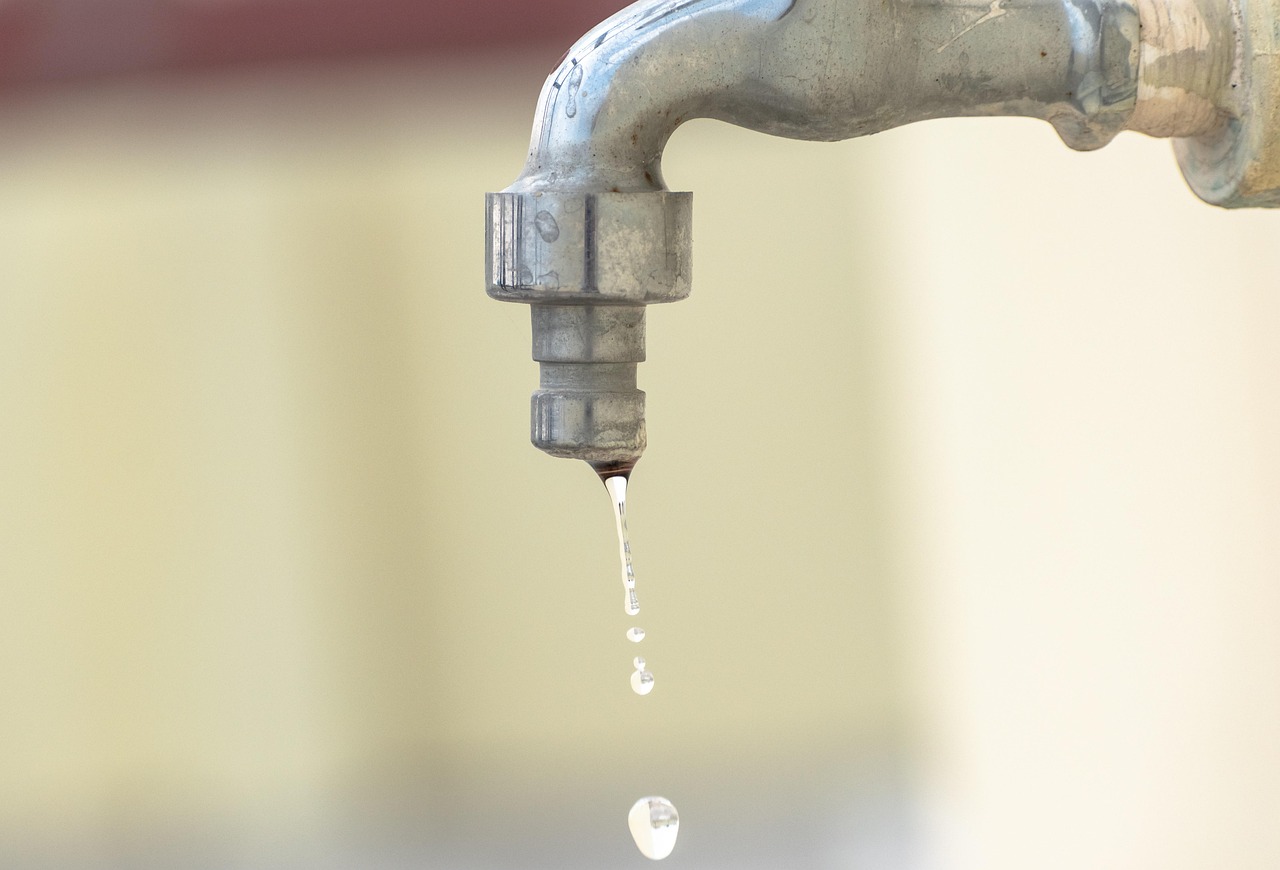
Diagnosing water heater issues is a key service provided by top-rated contractors near you. It's a process that requires a systematic approach to pinpoint the exact problem, saving time and money for homeowners. Here's a step-by-step guide on how these experts tackle water heater repairs, incorporating best practices and valuable insights from the field.
First, the contractor services will conduct a thorough inspection. This involves visually examining the water heater for any visible signs of damage, corrosion, or leaks. They'll also check the surrounding area for potential causes, such as a faulty gas line or incorrect electrical connections. During this initial assessment, the contractor may use specialized tools to measure temperature, pressure, and flow rates, as these parameters can offer critical clues about the problem.
Next, the contractor will often perform diagnostic tests. One common method is the pressure testing, where they'll turn off the water supply and check for any air or water leaks in the system. This helps identify issues like a damaged pressure relief valve or a faulty temperature and pressure relief (TPR) device. For electric water heaters, the contractor might check the heating element for any signs of damage or corrosion, as this is a common source of failure. In some cases, they may also inspect the dip tube for sediment buildup, which can restrict water flow and reduce heating efficiency.
Once the contractor has gathered all the necessary information, they can accurately diagnose the problem. This might range from a simple issue like a faulty thermostat to more complex problems such as a failed heating element or a faulty pressure tank. By pinpointing the root cause, the contractor can recommend the most effective repair solution, ensuring that the water heater is safely restored to optimal functioning.
Remember, when dealing with water heater repairs, it's crucial to turn to a reputable contractor marketing strategies for reliable service. They should be equipped with the latest tools and knowledge to handle various issues efficiently. Consider the benefits of proactive maintenance, which can help prevent future contractor insurance claims by catching potential problems early.
When to Call a Plumbing Contractor

Water heater repairs are a common plumbing issue that, if left unattended, can lead to larger, more expensive problems. Knowing when to call a contractor is crucial for preventing plumbing disasters. While some minor issues can be addressed by homeowners with basic DIY skills, complex problems like rusted tanks, inefficient heating elements, or gas line leaks require professional expertise.
Before attempting any do-it-yourself repairs, consider the severity of the problem. Does the water heater make unusual noises, have strange odors, or produce only tepid water? These are signs of potential issues that may be best left to a contractor. If your water heater is old (typically over 10 years) or has not been regularly maintained, it's wise to consult a professional to assess its overall condition. Regular maintenance, including flushing and pressure testing, can significantly extend the life of your heater and prevent costly breakdowns.
For homeowners who rent, preventing plumbing disasters is even more critical, as leaks or damage can directly impact their security deposit. In these cases, it's best to call a contractor promptly to avoid potential property damage and costly repairs. While some basic homeowner plumbing maintenance tips, like checking for leaks regularly and insulating pipes, can be helpful, they are not substitutes for professional expertise. A skilled contractor can provide expert advice on energy-efficient models, proper installation, and safe, code-compliant repairs. At Affordable Plumbing and Sewer Services, we offer comprehensive water heater services tailored to the specific needs of each client, ensuring both efficiency and safety.
Common Repairs: Do-It-Yourself vs. Professional

Water heater repairs can be a common headache for homeowners, but understanding the issues and when to call a professional can save you time, money, and potential damage. While some minor problems can be addressed by homeowners, many repairs require specialized knowledge and tools, making it best to involve a qualified contractor. This section explores the common water heater repairs, emphasizing when to do-it-yourself and when to hire a pro.
The first step in maintaining your water heater is to create a plumbing maintenance checklist. Regular inspection and maintenance can often prevent costly repairs. Look for signs like inconsistent hot water temperature, unusual noises, or leaks. A simple, annual flush can remove mineral buildup, extending the life of your unit. However, more complex issues, such as a malfunctioning thermostat, a cracked heat exchanger, or a leaking tank, are best left to a professional. Plumbers are trained to diagnose these problems accurately and offer the most effective solutions.
Hiring a plumber involves more than just finding someone with a truck and a tool belt. It's crucial to ensure the contractor is licensed, bonded, and insured, protecting you from potential risks. Many contractors have undergone extensive training and background checks, ensuring they possess the necessary skills and knowledge. Before hiring, ask for references and check online reviews to gauge their reputation. Remember, while DIY projects can be satisfying, water heater repairs often require precise knowledge and specialized tools, making professional service the safer, more reliable choice. The contractor can access parts designed specifically for your water heater model, ensuring a seamless fit and optimal performance.
When deciding between DIY and professional repair, consider the extent of the issue and your comfort level. Small repairs, like replacing a thermostatic mixing valve, might be manageable for an experienced DIYer. However, complex tasks, like removing and replacing an entire water heater, are best handled by the contractor. Find us at plumbing tips to save money offers valuable insights into preventive maintenance, but remember, some repairs are best left to the experts. By understanding the limits of DIY and knowing when to call a professional, you can ensure your water heater remains reliable and efficient.
Preventive Maintenance: A Plumbing Contractor's Guide

Water heater repairs are a common issue that homeowners face, and for good reason: these systems are vital to our daily routines, yet they can be prone to failure due to age, mineral buildup, and other factors. As the contractor, preventing these issues is not only good for business but also ensures your clients' comfort and safety. Regular maintenance can extend the life of water heaters and avoid costly emergency repairs, such as those requiring same-day service.
Preventive maintenance involves a range of strategies tailored to different water heater types and sizes. For residential units, the contractor might recommend periodic flushing to remove mineral deposits that can cause scaling and reduce efficiency. This simple step, coupled with checking and replacing anode rods, can significantly prolong the life of the heater. For commercial or larger-scale systems, the focus shifts to more complex tasks like checking for gas leaks, ensuring proper venting, and inspecting for corrosion. An older water heater in a commercial building may require more frequent attention due to its age and the higher demand placed on it.
Contractors marketing themselves as experts in preventive maintenance can offer bundled services or seasonal check-up packages to attract clients. By emphasizing the long-term benefits, such as lower utility bills and reduced risk of catastrophic failure, contractors can differentiate themselves in a competitive market. Understanding the average cost of water heater repairs per project (ranging from $300 to $1,500, depending on the issue) can help contractors set competitive pricing for their preventive maintenance services. The contractor marketing same-day emergency service might charge a premium for rushed repairs, while emphasizing regular maintenance could lead to fewer emergency calls and a happier client base. Give us a call at plumbing maintenance for older homes to learn more about tailored solutions for specific water heater issues.
Frequently Asked Questions About Water Heater Repairs Common Issues
What is the most common reason for a water heater to stop working? Water heaters can fail due to a variety of reasons, but the most common issue is a faulty heating element. Over time, the heating element, responsible for heating the water, can burn out or break, leading to a lack of hot water. This is often accompanied by unusual noises, like banging or clicking, coming from the heater.
How can I tell if my water heater needs replacing? Several signs indicate a need for water heater replacement. Age is a significant factor; if your heater is over 10 years old, it's likely past its prime. If you notice frequent temperature fluctuations, excessive energy bills, or no hot water at all, these could be signs of a failing heater. Leaks, rust, and persistent noise are also strong indicators.
What causes a water heater to leak? Water heater leaks typically originate from the tank. Over time, the tank can develop cracks or corrosion, leading to leaks. This is often accelerated by old or poorly maintained heaters. Insufficient insulation can also cause water loss through condensation, especially in colder climates.
When should I call a professional for water heater repairs? While some minor issues can be addressed by homeowners, complex problems often require professional expertise. If your heater is making unusual noises, showing signs of corrosion or rust, or if the leak is substantial, it's best to contact a licensed plumber. They can diagnose and fix issues safely and efficiently.
How can I extend the lifespan of my water heater? Regular maintenance is key to extending your water heater's lifespan. This includes cleaning the tank and heating element periodically, checking for leaks, and ensuring proper insulation. Setting the thermostat to a moderate temperature, avoiding excessive hot water usage, and using energy-efficient appliances can contribute to a longer-lasting heater.
Water heater repairs are a common household hassle, but understanding the root causes and available solutions can save you time and money. By identifying common issues, learning effective diagnostic methods, and knowing when to involve the contractor, you can tackle minor problems yourself while understanding when professional assistance is crucial. Preventive maintenance, including regular inspections and cleaning, is key to avoiding costly repairs. When facing water heater troubles, the contractor offers specialized knowledge and tools to swiftly resolve issues, ensuring your home's comfort and safety. Their expertise allows for efficient problem-solving, minimizing disruptions and potential water damage. Prioritizing regular maintenance and prompt attention to problems can significantly extend the lifespan of your water heater.
Water heaters require regular attention to prevent costly repairs. Common issues include sediment buildup and rust, exacerbated by hard water and age. Homeowners can learn to recognize basic problems, but complex repairs should be left to licensed contractors. Preventive maintenance, such as flushing and anode rod replacement, can extend water heater life. Contractors can differentiate their services by offering tailored maintenance packages, emphasizing long-term savings and reduced risk. Regular check-ups, priced competitively, can lead to fewer emergencies and a loyal client base.